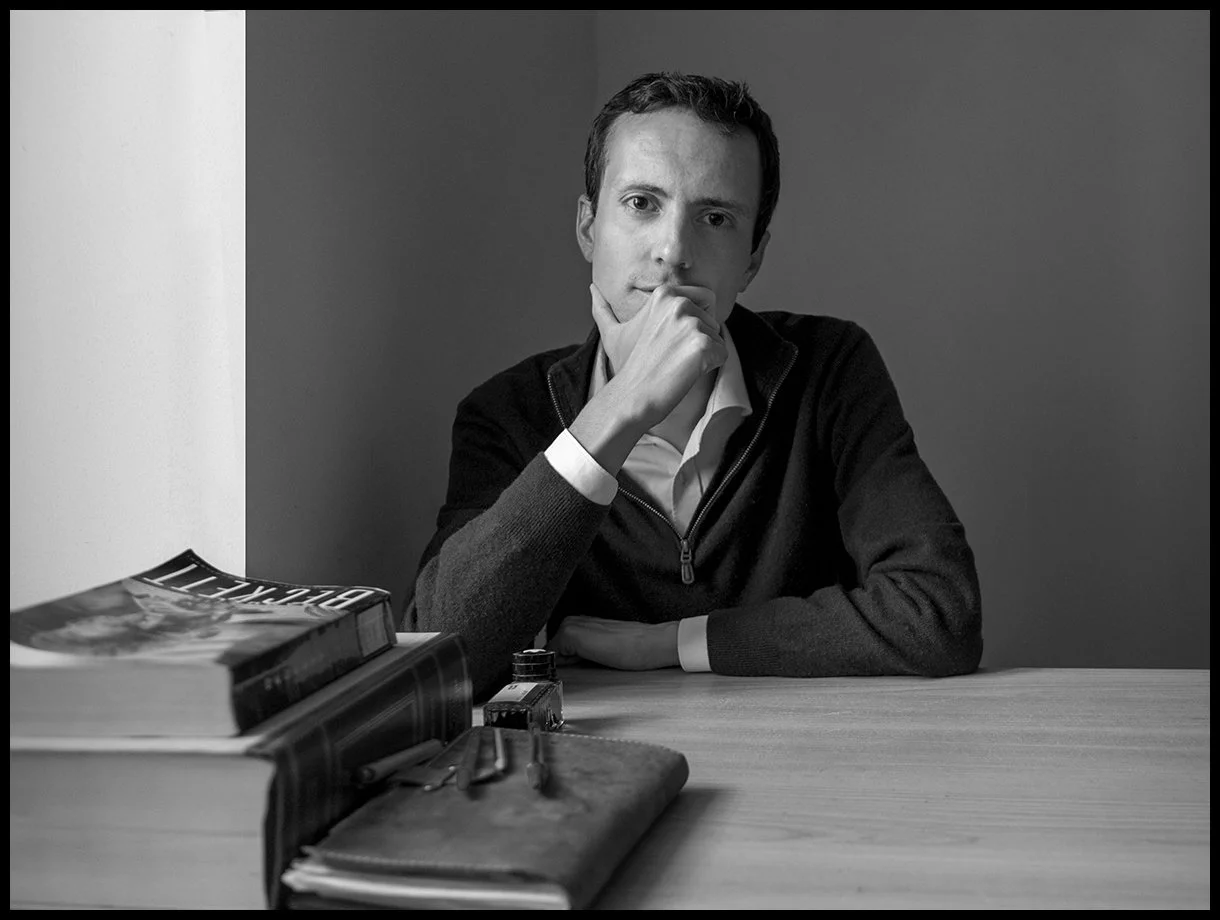
© Dino Ignani
Antonio Sanges (Tricarico, 1991) is an Italian poet, essayist, and contemporary scholar of literature and philosophy. He studied at Sapienza University of Rome, Paris 8 and University College London.
He has published three poetry collections, including Distensione del destino (Ensemble, 2025), and the book Les jeux sont faits (Carla Rossi Academy Press, 2023), about Beckett and the “Culture of Superficiality”.
He lives in Rome.
News
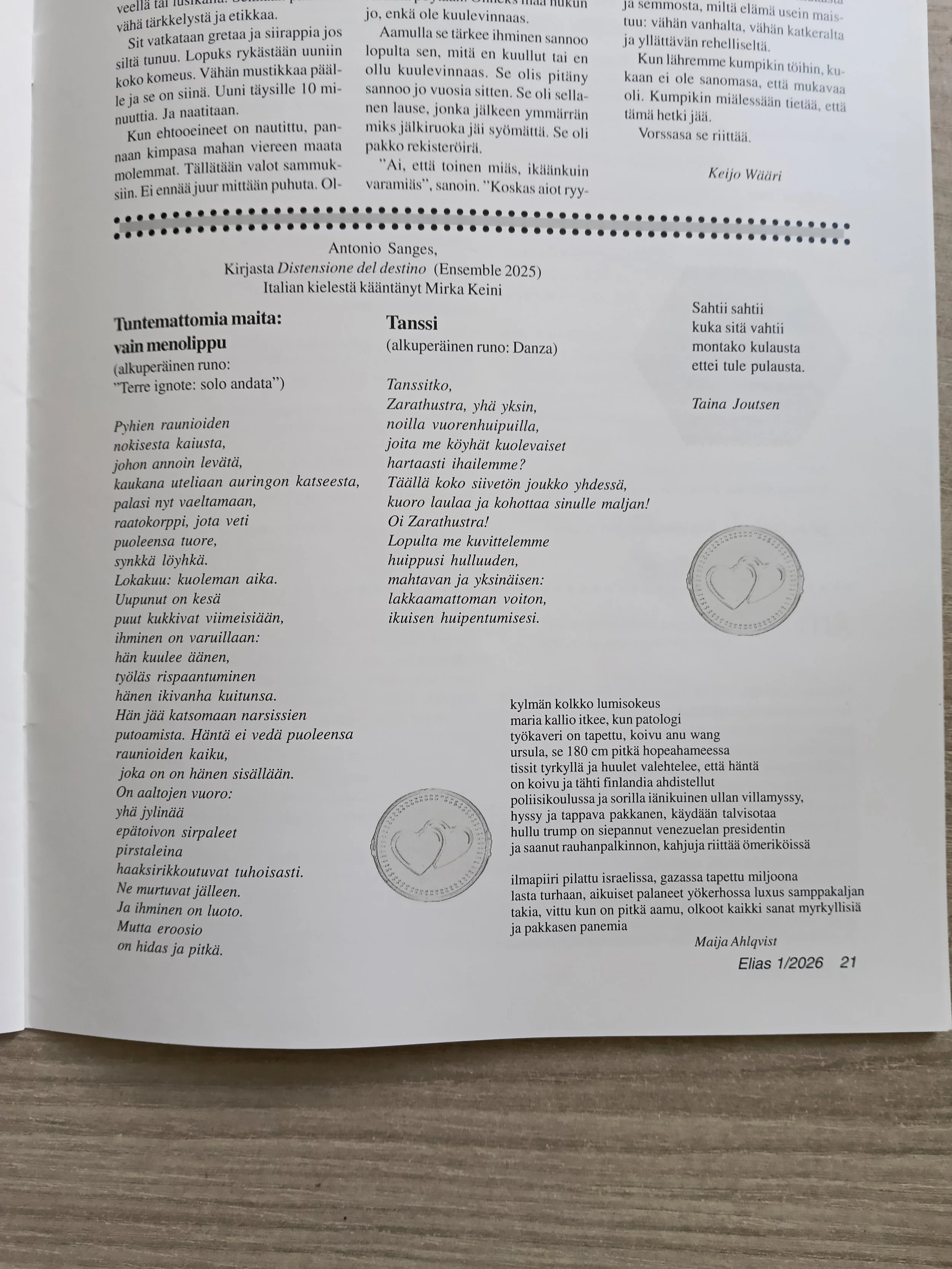
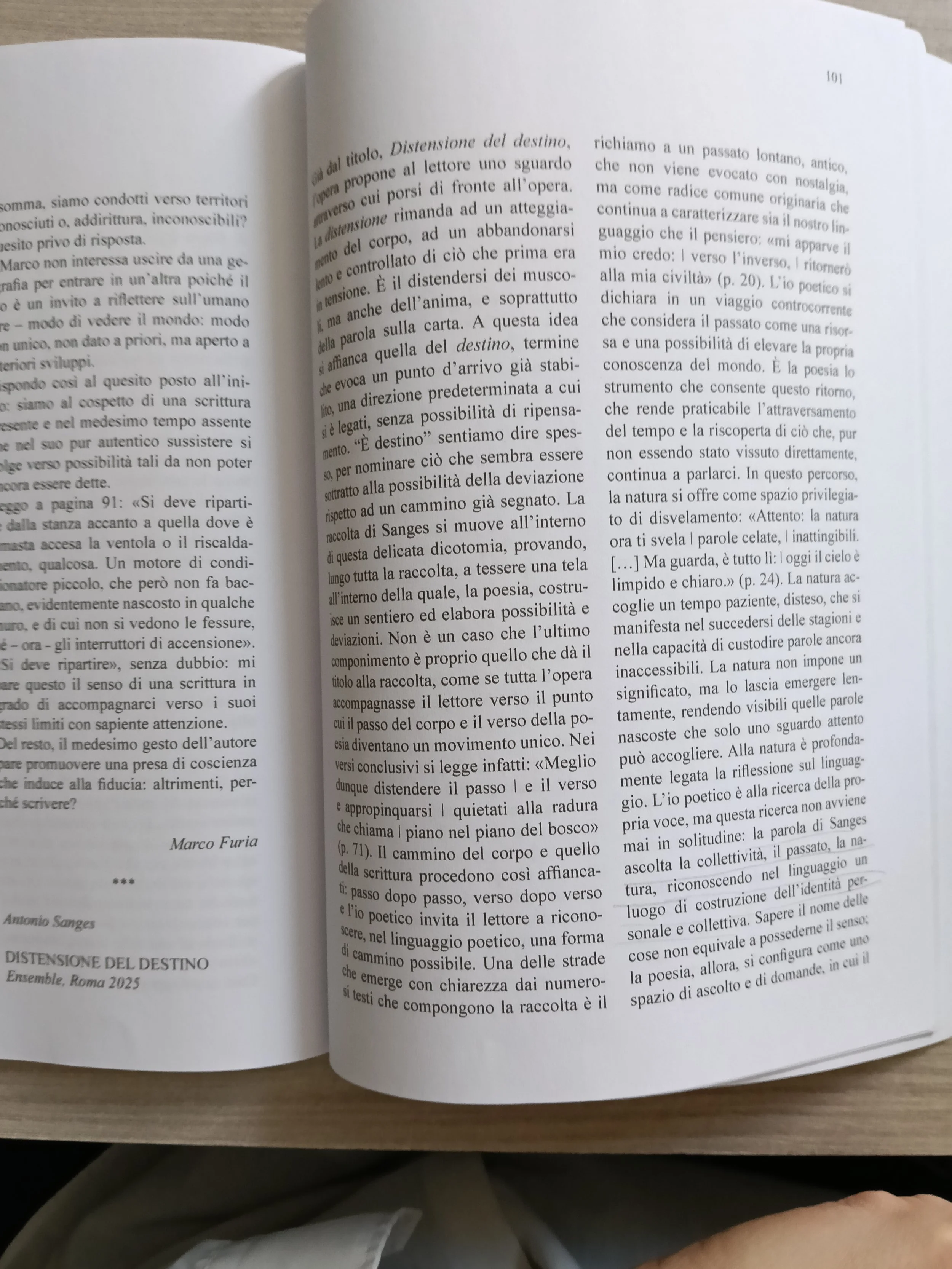
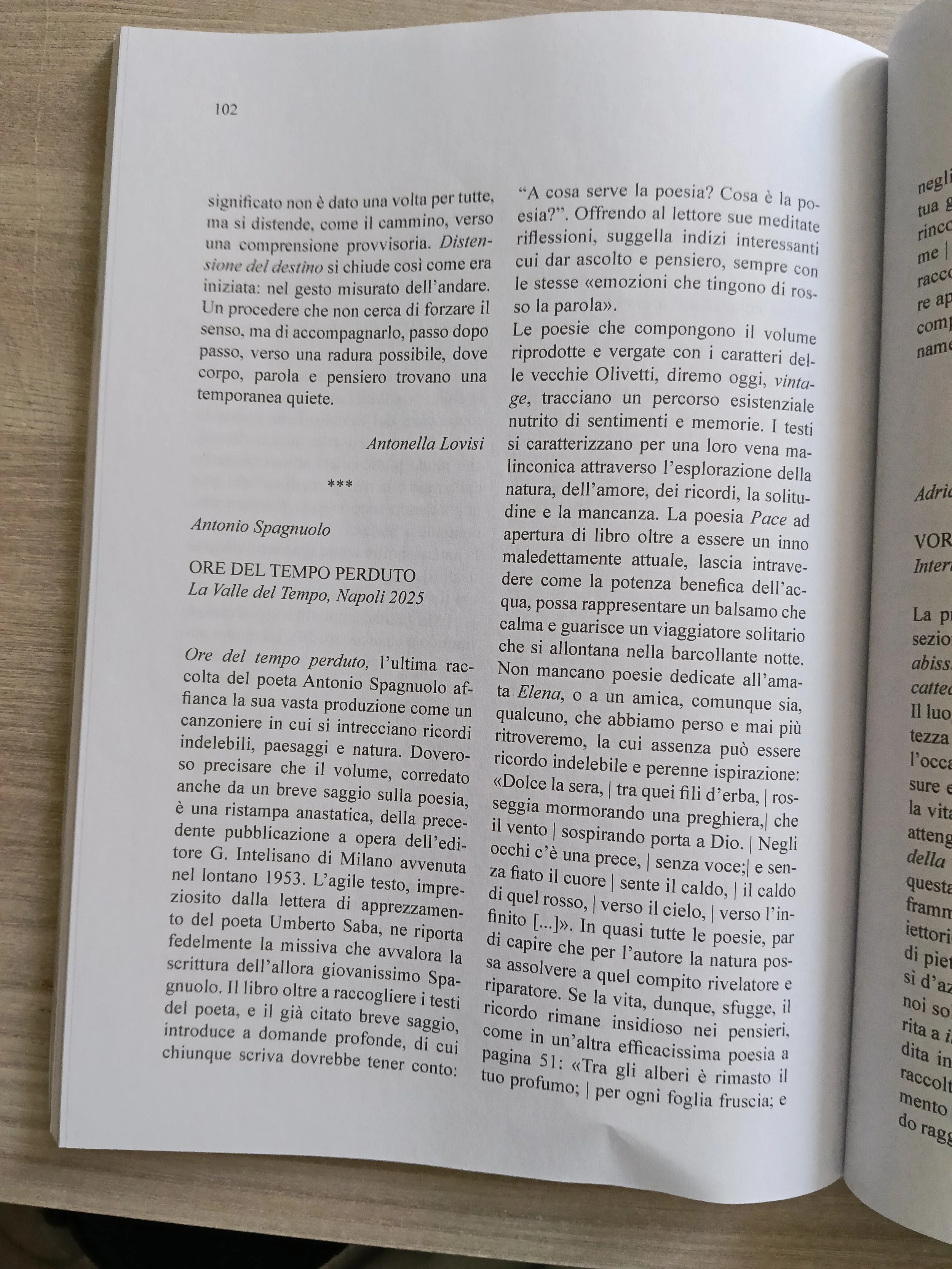
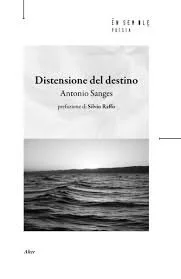
Distensione del destino (Ensemble 2025)
Rebecca Sisti reads “La sfioritura” from Distensione del destino
Critical responses
In the flow of another time, a possible refuge emerges: the only certainty that remains is listening.
Iolanda La Carrubba, Neobar
(Author’s translation)
It is a poetry that preserves in order to hand down, that safeguards in order to release, and that still entrusts the word with the task of bearing witness, even when language appears worn, even when song seems futile, superfluous, merely decorative.
Giorgio Linguaglossa, L’ombra delle parole
(Author’s translation)
What is most compelling in his poetry is the way it channels a convulsive sensibility—an irreconcilability with the present—into a classically inflected mode of writing.
Giorgio Galli, Il Detonatore
(Author’s translation)
Ultimately, Distensione del destino is broad and profound gaze upon humanity—its future and the meaning of endurance. The final poem, which gives the book its title, brings together and distills Sanges’s intellectual and human stance. It is a vision in which the distance between individuals appears capable of being restored, reduced to an existential instance in which time comes to a halt, or at least slows down, and an apparent “endlessness” finally grants us the possibility of grasping the very marrow of life, as Thoreau once wrote.
Marco Tabellione, Poetrydream
(Authors translation)
A poetry of negative theology, of Montalian “glimmers” and “hidden words” which, when they surface, only deepen the sense of disorientation. The exploration remains cautious; lingering over chasms and abysses grants no relief.
Silvio Raffo, preface
(Authors translation)
The poetry grasps an original unity within the surging waves, those fractures of swell and storm that shatter the sea’s surface. In this way, everything subtly reveals a course to the navigators of this poetic volume.
Marino Alberto Balducci, Diacritica
(Author’s translation)
A poetry shaped by destiny which, at the threshold, seems to embrace an oblique amor fati, as can be glimpsed in the verses of the final eponymous poem, which appears to have been written by a post–Don Quixote: “... Great is the path of humankind. / Great is the future that lies before them. // ...”
Marco Palladini, L’Age d’Or
(Authors Translation)
Within this context, poised between antiquity and modernity, choosing the South as a continuation of ancient Greek civilization emerges as the most natural course—a conscious decision and a stance that is at once human and poetic.
Antonio Chessa, Lettere migranti
(Author’s translation)